
Control Freak
Would you like a personal reading?
Request a reading with Christopher or Ronna. We’ll email you to arrange the details.
Start with a question or a pattern you’d like to explore. Sending a request does not book or charge for a session.
If I don't control it, something will go wrong.
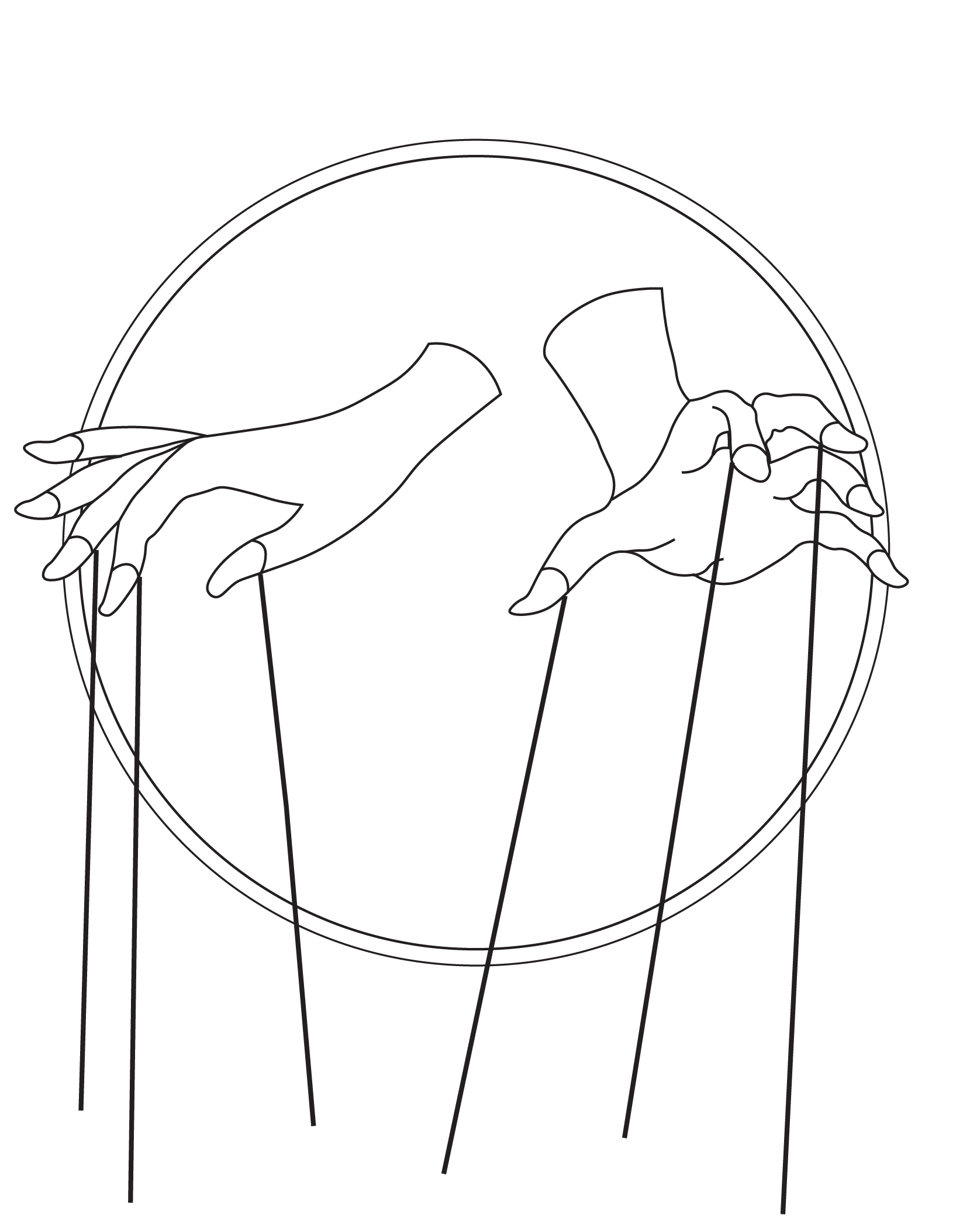
The Control Freak carries the capacity for self-control. In its functional expression, it regulates our thoughts, emotions, impulses, and behaviour, allowing us to choose our responses rather than being driven by immediate reactions or desires. When distorted, it can express itself as micromanagement. In this form, it feels compelled to oversee how others do things, becoming overly involved in details and leaving little room for autonomy, creativity, or individual judgment.
When this card comes up in a reading...
The Control Freak may be pointing to a need for self-control, or revealing where controlling others has taken over. It invites us to consider whether we are creating useful order and structure in our own lives, or trying to manage people, circumstances, and outcomes that are not ours to control.
Self Control
Regulates our thoughts, emotions, impulses, and behaviour, allowing us to choose our responses rather than being driven by immediate reactions or desires.Discipline
Directs our energy toward goals and commitments, following through on what matters even when motivation fluctuates or circumstances become difficult.Organization
Creates order, structure, and systems that help us manage responsibilities, resources, and competing demands effectively.Preparedness
Anticipates potential problems and takes reasonable steps to prepare for them, reducing unnecessary risk while recognizing that not everything can be controlled.
Micromanagement
Feels compelled to oversee how others do things, becoming overly involved in details and leaving little room for autonomy, creativity, or individual judgment.Inability to Delegate
Struggles to trust others with responsibility, believing things must be done our way or closely supervised to ensure the desired outcome.Rigidity
Becomes attached to order, procedures, and predetermined outcomes, resisting flexibility, uncertainty, or approaches that differ from our own.Domination
Attempts to direct other people’s choices, behaviour, or decisions, creating power struggles and undermining trust, cooperation, and independence.